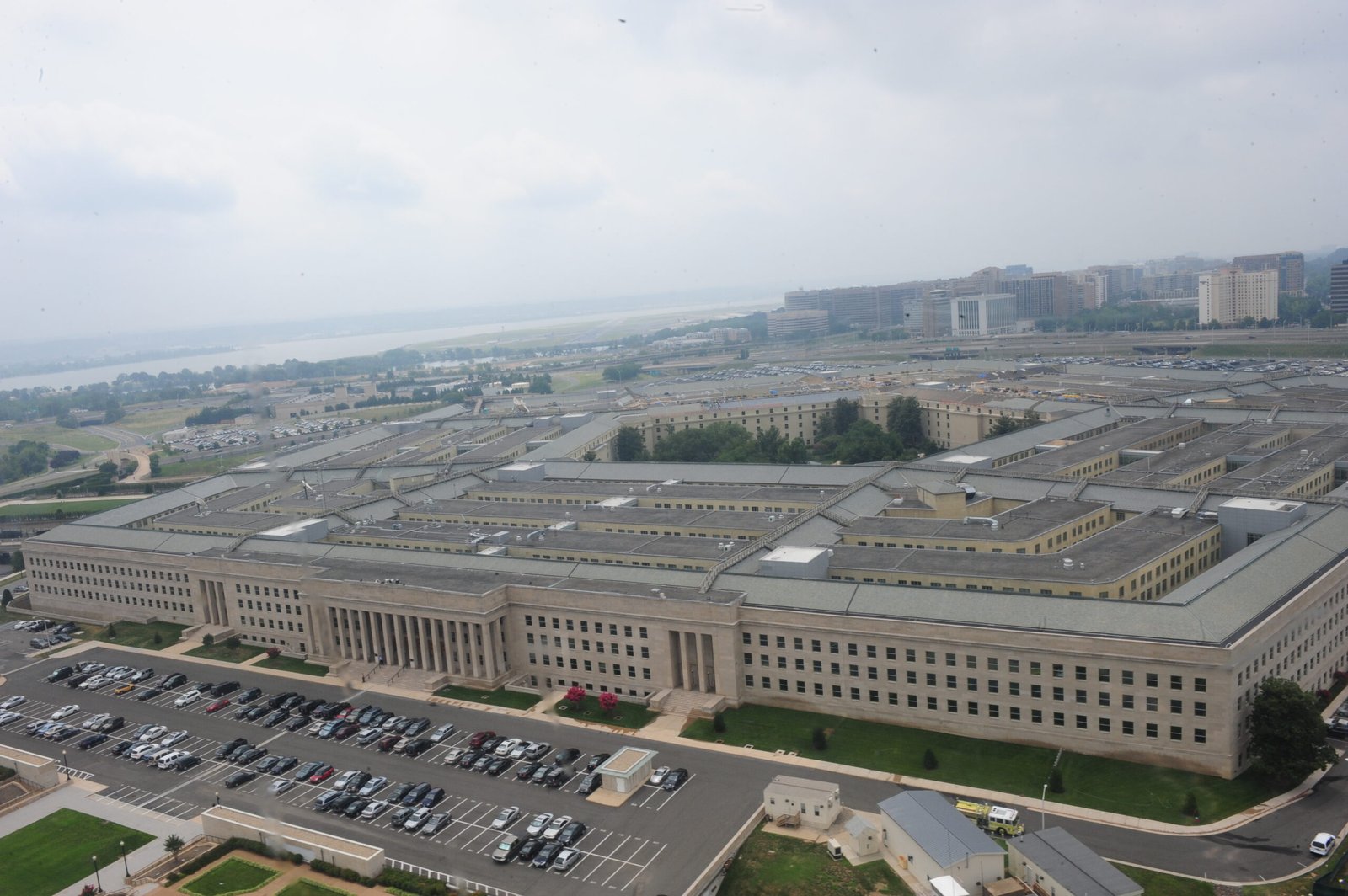
Pentagon Leadership Turmoil Deepens After Army Secretary Resigns
Leadership turmoil at the Pentagon has intensified after Army Secretary Dan Driscoll resigned amid disagreements with Defense Secretary Pete Hegseth. His departure adds to a series of senior personnel changes at the Defense Department while the United States remains engaged in an extended conflict with Iran.
Driscoll Resigns After Months of Tension
Driscoll submitted his resignation to President Donald Trump on Monday, according to reporting by the Financial Times. The newspaper said the Army secretary had clashed with Hegseth over military modernization, senior appointments and broader management issues.
Driscoll had been viewed as an important figure in the administration’s effort to reshape the Army around new technologies and changing battlefield requirements. His resignation leaves the service under interim leadership while the administration considers its next permanent appointment.
Senior Military Leadership Has Been Reshaped
The resignation comes after other major changes at the Pentagon. Recent personnel moves have affected senior military positions, including the Army chief of staff and other top officers. Critics argue that repeated leadership turnover can complicate long-term planning and reduce institutional continuity.
Supporters of Hegseth’s approach argue that the Defense Department needs significant changes in order to modernize its forces and remove leaders who do not share the administration’s priorities. The disagreement is therefore not simply about individual personalities; it also concerns how quickly the military should change and who should oversee that transformation.
Iran Conflict Adds Pressure
The leadership dispute is unfolding during an active military conflict. U.S. forces have continued operations connected to Iran, creating additional demands on personnel, weapons stocks, logistics and strategic planning.
Military organizations typically rely on continuity in senior command because operations can extend across months or years. Changes in civilian and uniformed leadership can be managed, but rapid turnover can increase the need for clear lines of authority and consistent strategic direction.
Congress Is Watching
The Pentagon’s leadership changes are also attracting attention on Capitol Hill. Congress has constitutional responsibilities involving military funding, oversight and senior military confirmations. Lawmakers can question officials, hold hearings and use the appropriations process to influence defense priorities.
Concerns about leadership stability are particularly significant when the department is balancing wartime requirements with modernization programs. The Army is simultaneously expected to maintain readiness, replenish equipment and adapt to technologies such as drones, artificial intelligence and networked systems.
Modernization Is Part of the Dispute
The Army has been under pressure to adapt its force structure to lessons from recent conflicts. Modern warfare has placed greater emphasis on drones, electronic warfare, precision weapons, air defense and resilient communications. Decisions about which programs to expand or reduce can have consequences that last for years.
Disagreements over modernization are therefore more consequential than ordinary administrative disputes. Senior officials must decide how to balance established systems with emerging capabilities while maintaining enough conventional strength for a wide range of missions.
What Comes Next
The immediate question is who will lead the Army while the administration works through the transition. More broadly, lawmakers and military professionals will be watching whether the Pentagon’s leadership changes produce a coherent modernization strategy or create additional uncertainty.
For now, the resignation marks another significant change at the department. The combination of senior personnel turnover, wartime operations and major modernization decisions makes Pentagon leadership one of the most closely watched national security issues in Washington.
Sources and Further Reading
Hudson Tribune independently wrote this report from current reporting and public information. See the Financial Times report on Dan Driscoll’s resignation and the U.S. Department of Defense for official information. Follow more coverage through the U.S. News category and Newsroom.