Texas Officials Resist Federal Border Wall Plans as Construction Advances
Federal officials are advancing plans for additional border wall construction along the U.S.-Mexico border despite objections from local officials and landowners in parts of Texas. The dispute centers on property access, environmental concerns and whether new barriers are necessary in remote areas where migrant crossings have been relatively limited.
Federal Construction Plans Move Forward
The Trump administration is pressing ahead with plans for hundreds of additional miles of steel barriers and related infrastructure, according to Axios reporting published September 2. Customs and Border Protection officials have told some local leaders that major portions of the planned work are not open to negotiation.
The federal government says the border infrastructure is intended to strengthen security and support the administration’s goal of reducing illegal crossings. Officials are also considering technology and vehicle barriers in areas where a continuous wall may not be practical.
Local Officials Raise Property Concerns
Local opposition is particularly strong in remote West Texas. County officials have raised concerns about how construction could affect private property, ranches, roads and tourism. Some landowners have not agreed to provide federal access, leaving the government with the possibility of pursuing legal action to obtain rights needed for construction.
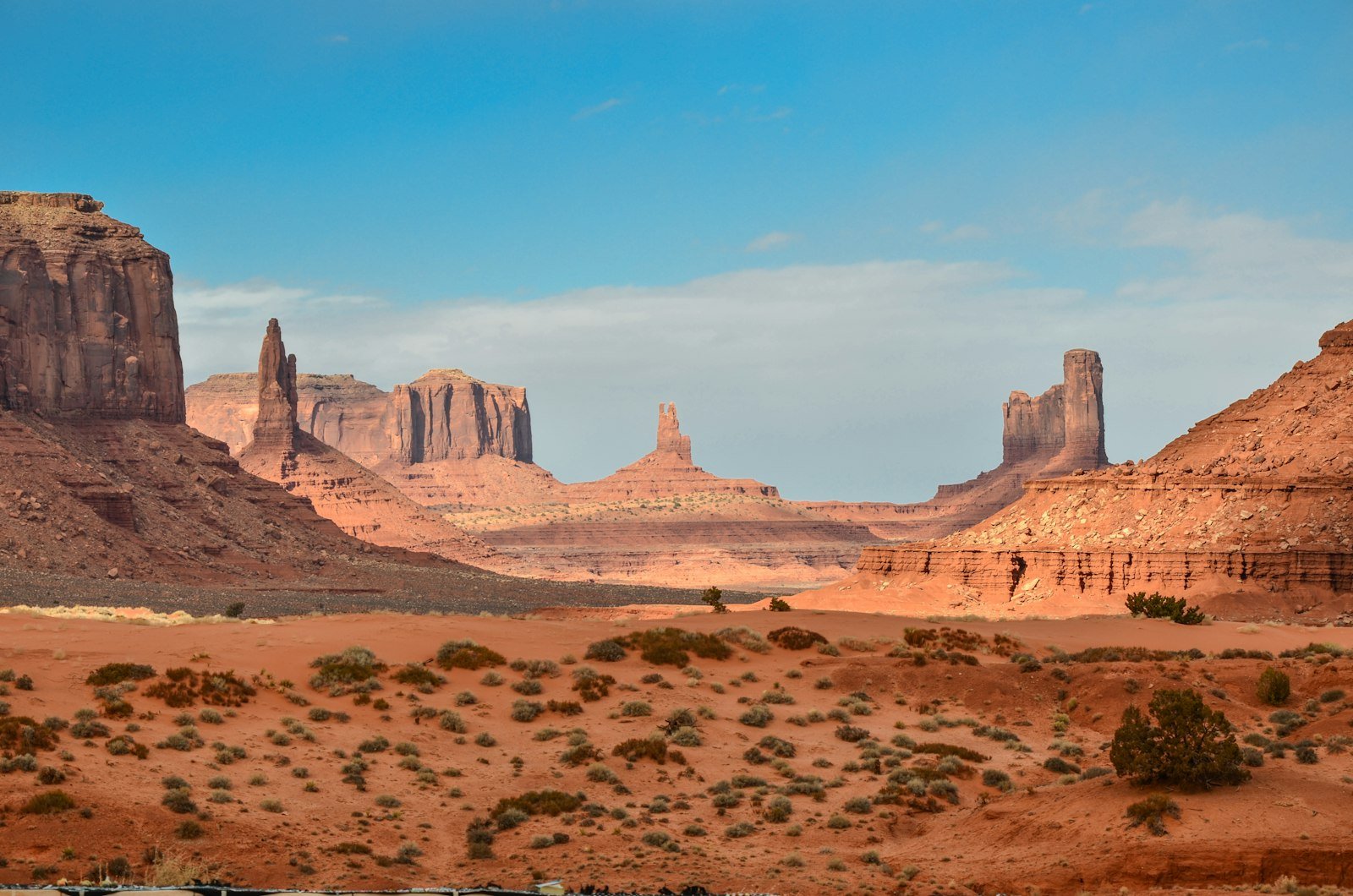
County leaders argue that decisions affecting local communities should take local geography into account. The terrain around the Big Bend region includes rugged desert landscapes, parks and environmentally sensitive areas. Officials say construction plans that work elsewhere may have different consequences in this part of the border.
Environmental and Tourism Questions
The Big Bend area is known for its national and state parks, wildlife habitat and outdoor tourism. Local officials fear roads, barriers and other construction could change access to remote areas or interfere with the landscape that attracts visitors.
Environmental concerns have also been raised in other parts of the border region. Large barriers can divide habitats and alter movement routes for wildlife. Federal agencies generally conduct environmental reviews and may use statutory authorities that allow certain border-security projects to proceed under special rules.
Court Order Temporarily Slows Some Work
A federal judge has issued a temporary restraining order affecting construction across roughly 600 miles of the border, according to Axios. The order is temporary and is currently scheduled to last through the end of September. That means the legal dispute could remain active while the administration continues planning and other construction proceeds where not blocked.
Litigation over land access is not new to border infrastructure projects. The federal government can use eminent domain in appropriate circumstances, but property owners can challenge valuations, procedures and other aspects of the process in court.
CBP Says Security Remains the Priority
CBP has said it is evaluating technology options alongside physical barriers. The agency argues that the objective is to improve border security in remote and difficult-to-access areas while meeting the administration’s policy goals.
The debate therefore involves more than the wall itself. It includes roads, vehicle barriers, surveillance technology, land acquisition and the allocation of federal resources. The mix of measures may vary by geography and operational requirements.
What Happens Next
The immediate future of the project will depend partly on court decisions and negotiations over land access. Local officials are seeking changes that would limit impacts on communities and protected areas, while federal officials continue to emphasize national border policy.
For residents and businesses in affected counties, the dispute could shape property decisions, tourism expectations and access to parts of the region. For Washington, it is another test of how far federal border policy can proceed when local governments and private landowners object.
Sources and Further Reading
Hudson Tribune independently wrote this report using current reporting and public information. See Axios’ report on Texas border wall disputes and U.S. Customs and Border Protection for official information. More coverage is available through the U.S. News category and Newsroom.