Poll Watcher Plans Raise Fresh Election Administration Questions
Election administration groups are preparing for heightened scrutiny at polling places ahead of the 2026 midterm elections, as advocacy organizations organize observers in battleground states and debate continues over the role of federal authorities around elections.
Why Poll Watching Is Expanding
The Washington Post reported September 2 that Vote Safe, an election-focused project, plans to deploy observers to precincts in four battleground states. The effort comes amid heightened political tension over election procedures and concerns among voting-rights organizations about possible federal involvement at polling locations.
Poll watchers are not new to American elections. Political parties and civic groups have long recruited volunteers to observe voting and report problems. The legal authority of observers, however, varies by state, and observers generally must follow rules designed to protect voters and prevent interference with election workers.
Federal Role Is a Major Question
The prospect of federal agents appearing near polling places has become especially contentious. The administration has not ruled out a federal presence at elections, while voting-rights advocates have warned that visible federal enforcement activity could intimidate voters or complicate the work of local election officials.
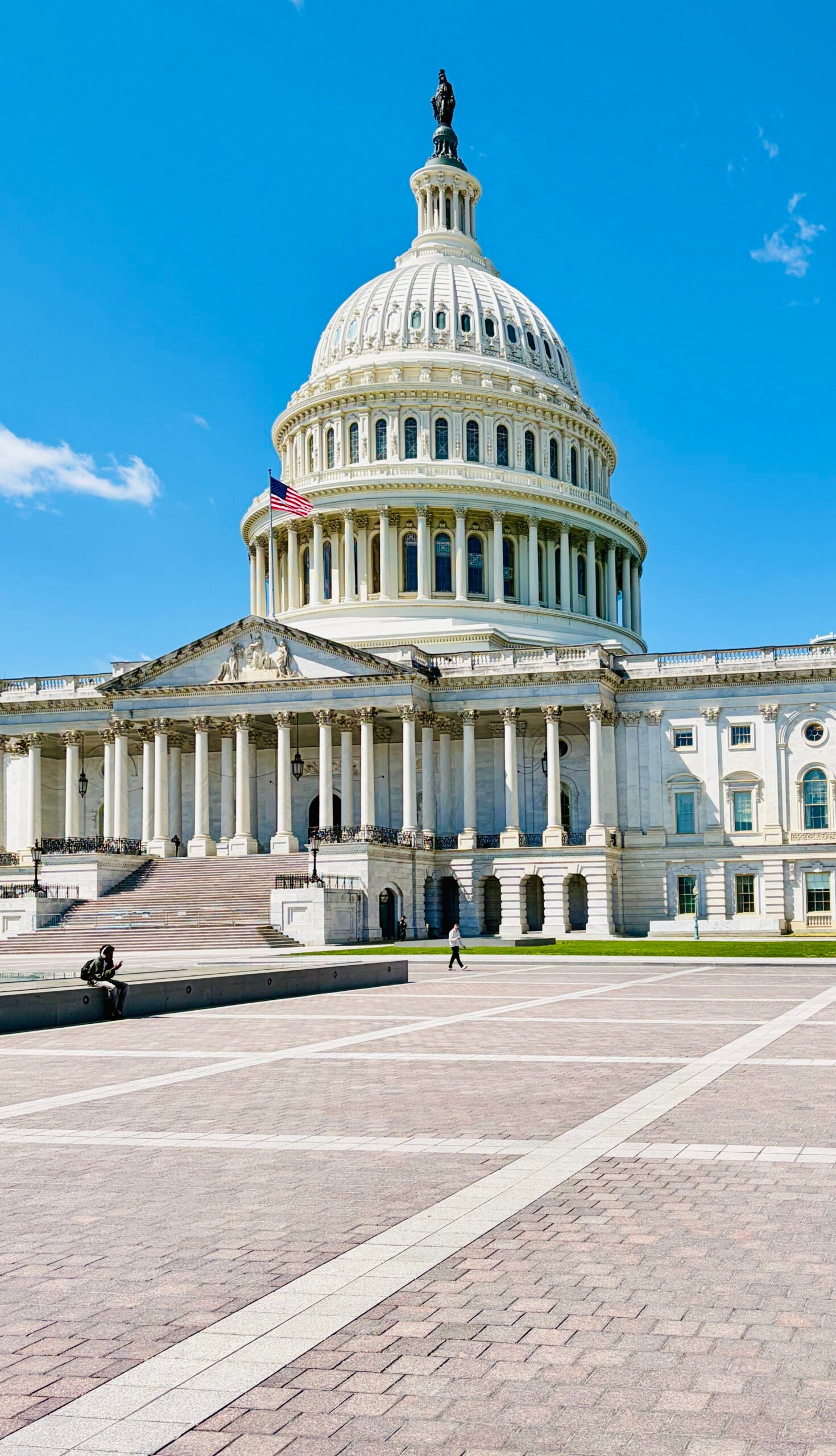
Federal involvement in elections is governed by a combination of constitutional rules, federal statutes and state election laws. Local officials remain responsible for administering most polling operations, including voter check-in, ballot handling and polling-place procedures.
Battleground States Face Particular Pressure
Political attention is likely to be strongest in competitive states where small changes in turnout or voting patterns can affect congressional races. Election officials in those states must prepare not only for normal operational demands but also for a potentially large number of observers, legal challenges and complaints.
That environment can make communication especially important. Election administrators generally encourage observers and campaign representatives to understand the rules before arriving at polling locations. Clear procedures can reduce disputes and help distinguish legitimate observation from attempts to interfere with voters or workers.
Concerns About Voter Intimidation
Voting-rights organizations have historically raised concerns when large numbers of partisan observers or law-enforcement personnel appear around polling places. The central issue is whether voters can cast ballots without pressure, harassment or uncertainty about who is authorized to act inside or near a polling location.
Supporters of expanded observation argue that transparent elections benefit from independent monitoring and that legitimate observers can identify administrative mistakes. Critics respond that poorly defined monitoring programs can create confusion, particularly when volunteers misunderstand state election rules.
What Voters Should Expect
For voters, the practical rules will depend on their state and local election authority. Polling places typically have designated areas for observers, campaign representatives and election workers. Voters generally retain the right to enter, cast a ballot and leave without being questioned about their political choices.
The debate over poll watchers is becoming part of a broader national argument about election administration. With the midterms approaching, both parties and outside organizations are preparing for an election cycle in which legal disputes, turnout efforts and election-security claims could receive substantial attention.
Election Officials Face a Delicate Balance
The challenge for administrators is to provide meaningful transparency while maintaining order and protecting voters. How states enforce observer rules will likely become an important test of that balance during the 2026 elections.
Sources: The Washington Post; U.S. Election Assistance Commission; Congress.gov.