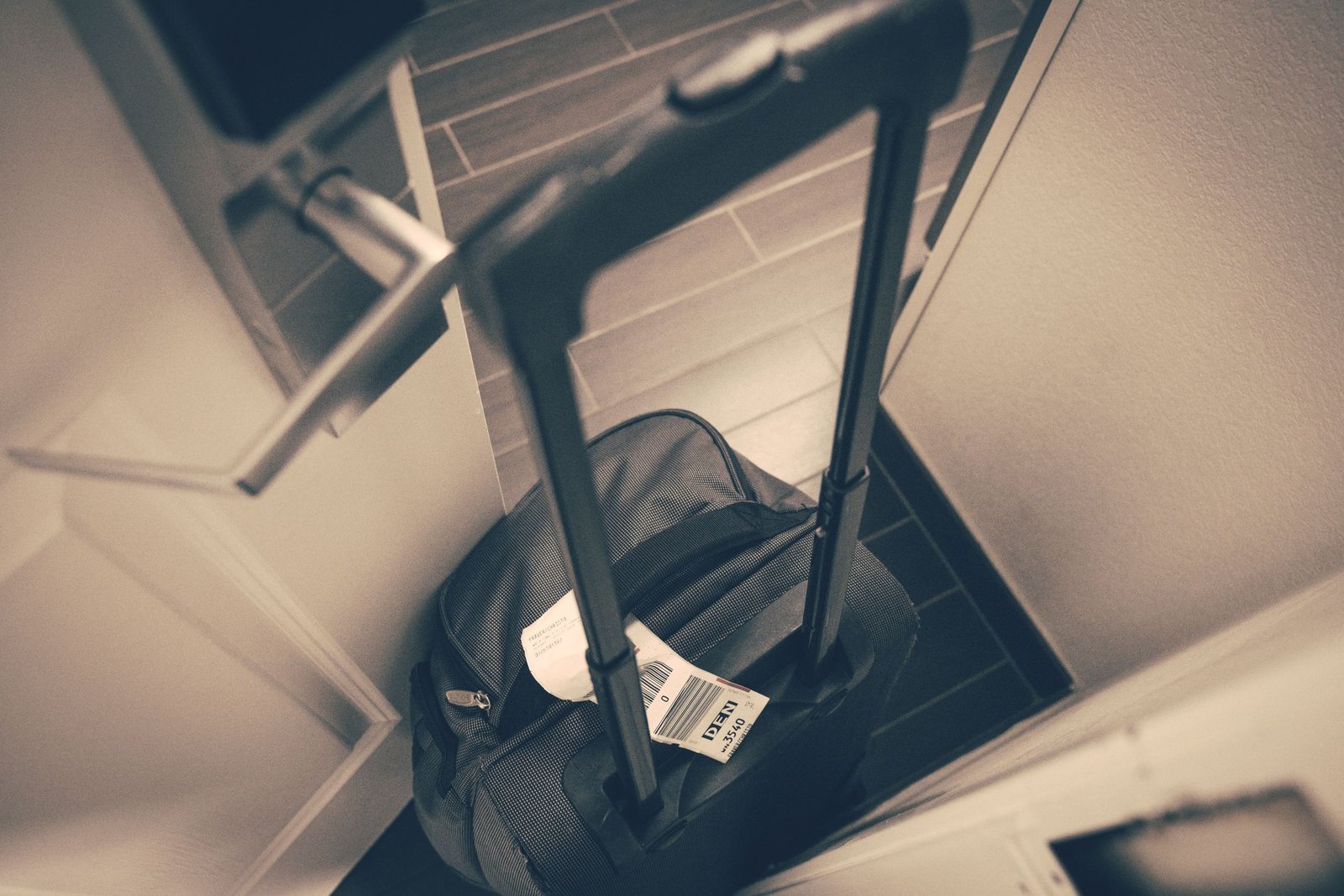
Labor Day Travel Costs Rise as Americans Choose Top Destinations
Labor Day weekend is closing out the summer travel season with Americans continuing to prioritize vacations, city breaks and outdoor trips despite higher costs on many domestic routes. AAA booking data shows strong demand for major U.S. destinations, national parks and cruises, while international travelers are also heading toward popular European cities.
Where Americans are traveling
AAA’s 2026 Labor Day travel data lists Seattle, Orlando, Boston, Denver and New York among the leading domestic destinations. Internationally, Rome, Vancouver, London, Dublin and Paris rank near the top of booking activity. The choices show that travelers are balancing convenience and experience, with domestic trips remaining important while international travel continues to attract consumers who have the time and budget for longer journeys.
National parks and cruises are also prominent. AAA says members are taking Alaska cruises and river cruises, touring national parks and booking guided trips in historic cities. The agency says some travelers are already planning 2027 vacations, suggesting that demand for experiences remains strong even as households face pressure from prices.
Airfare is not moving in one direction
Travel costs vary sharply by destination. AAA reported that round-trip domestic flights for Labor Day weekend are averaging about $750, roughly 2% higher than a year earlier. Flights to the most popular domestic destinations are averaging nearly $800, about 20% above last year’s level in the agency’s booking data.
International flights tell a different story. AAA says round-trip international airfare is averaging about $1,240, around 4% lower than last year. That difference may encourage travelers with flexible schedules to consider overseas destinations, especially when accommodation and daily expenses make the overall trip competitive.
How travelers are adjusting
The numbers point to a more deliberate approach to holiday travel. Some households are choosing shorter trips, driving instead of flying, or shifting travel dates to avoid the most expensive periods. Others are spending more selectively on experiences that feel worthwhile, such as national parks, cruises or major cultural destinations.
The broader U.S. Travel Association forecast supports that pattern. Its 2026 outlook says domestic leisure travel remains the backbone of the industry, but travelers are expected to favor shorter-duration and lower-cost trips as inflation affects household budgets. Travel spending is still projected to grow, but the composition of that spending matters.
Planning can make a difference
Travelers comparing options should look beyond the headline airfare. Parking, baggage fees, ground transportation, hotel prices and meals can change the final cost of a trip. A cheaper ticket is not always the least expensive itinerary, particularly when it involves inconvenient connections or additional transportation.
For families, booking early can also make budgeting easier because holiday travel combines multiple expenses at once. Travelers who can adjust departure dates or choose less crowded airports may find more choices, while those with fixed schedules should compare the full trip cost before committing.
The end of summer is not the end of travel
Labor Day traditionally marks the transition from peak summer travel to the fall season, but demand does not disappear. AAA says travelers are already looking toward spring and summer 2027, while domestic leisure travel remains a major source of industry spending.
The current market suggests Americans still value travel but are becoming more selective about how they spend. Higher domestic fares, lower average international fares and continued interest in experience-based trips are creating a travel season defined by comparison shopping rather than a simple return to old habits.
For more coverage, follow Hudson Tribune’s Lifestyle section and our latest Business reporting on consumer trends.