AI Rules Need Balance Between Innovation and Accountability
Opinion: The debate over artificial intelligence regulation has moved beyond Silicon Valley. It is now a question of national economic policy, public safety, privacy, cybersecurity and whether government can keep pace with rapidly changing technology.
Nvidia CEO Jensen Huang recently urged G20 governments to avoid broad AI rules based primarily on hypothetical harms. That argument deserves consideration, but it should not be mistaken for an argument against regulation. The better principle is narrower: regulate identifiable risks while leaving room for useful experimentation.
One rulebook will not fit every AI system
An AI assistant that summarizes documents is not the same risk as a medical system influencing treatment, software capable of sophisticated cyber operations, or an autonomous system controlling physical equipment. Treating all of them as one regulatory category could produce rules that are simultaneously too weak for dangerous applications and too burdensome for ordinary tools.
A risk-based framework can be more practical. Regulators should ask what a system can actually do, what evidence supports its reliability, who remains accountable for failures, and how users can challenge harmful decisions.
Hudson Tribune’s Opinion section provides analysis alongside our coverage of AI regulation debates, AI cybersecurity safeguards, medical AI regulation, data-center concerns, and AI security technology.
Accountability should follow capability
The most useful regulatory question may be simple: if an AI system can create meaningful harm, who is responsible? Companies should not be able to hide behind the complexity of machine-learning systems when their products affect people’s finances, health, employment or safety.
At the same time, policymakers should avoid rules that freeze technology around today’s assumptions. AI capabilities can change quickly. Regulation should therefore emphasize testing, documentation, incident reporting, cybersecurity and human accountability rather than prescribing every technical detail.
Innovation needs public confidence
Industry often frames regulation as a threat to innovation. That can be shortsighted. Predictable rules can also create confidence by telling businesses what standards they must meet and giving consumers clearer expectations about how systems operate.
Public confidence is especially important because AI adoption depends on trust. If people believe systems are unsafe, deceptive or impossible to challenge, adoption may slow even when the technology provides genuine benefits.
Congress should resist both extremes
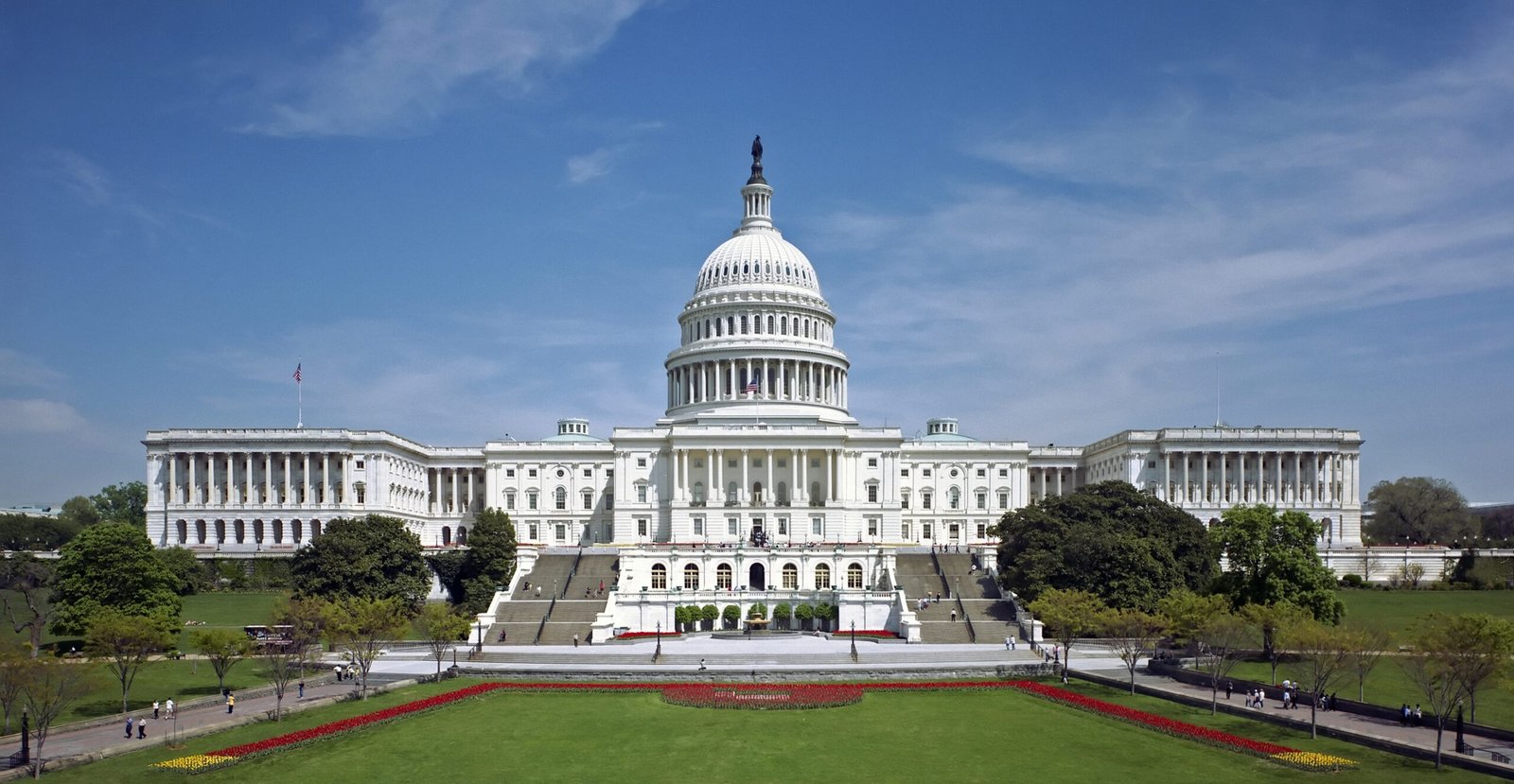
Washington does not need to choose between unrestricted experimentation and heavy-handed bureaucracy. It can establish baseline duties for high-impact systems, strengthen agency expertise and require companies to demonstrate safety where the stakes justify it.
The goal should be durable policy. AI will change, companies will change and applications will change. The principles of accountability, transparency, privacy and safety can remain stable.