Germany Blames Russia for Leipzig Airport Drone Attack as EU Weighs New Sanctions
Germany has formally blamed Russia for a failed drone attack at Leipzig/Halle Airport, turning an incident that initially appeared to be a dangerous airport security breach into a wider European security dispute. German officials say intelligence and investigative findings point to Russian involvement. Moscow has rejected the accusation, raising the prospect of another confrontation between Russia and European governments over alleged hybrid operations.
What happened at Leipzig/Halle Airport
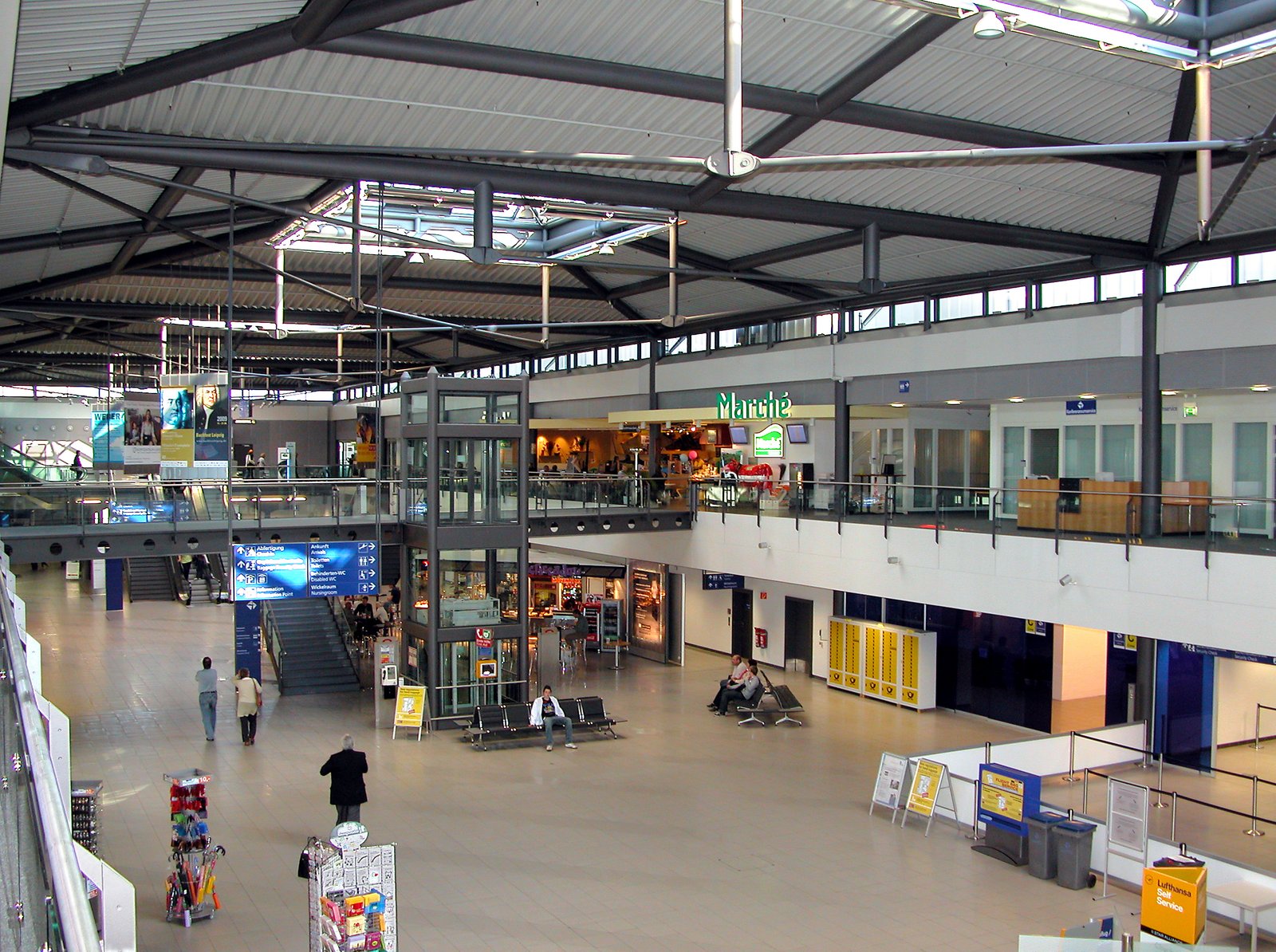
The incident dates to Aug. 4, when German authorities found a drone carrying an explosive device in a restricted area of Leipzig/Halle Airport. The airport is an important cargo hub and has also supported logistics connected with Ukraine. German investigators secured the device and examined its components, while airport operations were temporarily disrupted during the response.
German officials said the device and its configuration resembled methods previously associated with Russian hybrid activity. The investigation was led by German security authorities, including investigators in Saxony. Officials have stressed that the device was neutralized before it could cause casualties or major damage.
Berlin points to a broader hybrid threat
The German government has presented the airport incident as part of a broader security challenge rather than an isolated act. Authorities have also been investigating suspected sabotage affecting critical infrastructure, including an incident involving the power grid in Brandenburg. German officials say such cases illustrate how infrastructure, transportation and public confidence can become targets during periods of geopolitical tension.
Berlin has announced diplomatic and institutional countermeasures against Russia. Those steps include closing Russia’s consulate in Bonn and ending cooperation with the Russian House cultural center in Berlin. Germany is also pushing for additional European sanctions against individuals it says are connected to hostile activity.
Russia rejects the accusation
The Kremlin has rejected Germany’s attribution of the airport incident and described Berlin’s decision as politically motivated. That disagreement matters because any formal attribution of state responsibility can influence sanctions policy, intelligence cooperation and relations between European governments and Moscow.
The dispute comes while European governments are already debating how to strengthen protection against drones, sabotage, cyber operations and other forms of coercion that fall below the threshold of conventional warfare. The European Union has imposed extensive sanctions on Russia since the full-scale invasion of Ukraine, but member states continue to debate how far additional measures should go without creating further escalation.
Why the incident matters for Europe
Leipzig/Halle is more than a regional airport. Its cargo operations make it part of a wider logistics network, while its role in supporting Ukraine has increased its strategic importance. A successful attack on such infrastructure could have created both physical damage and wider disruption to European transportation.
EU foreign ministers are now discussing possible additional sanctions and other responses. German officials have said they want continued European solidarity, while other governments have emphasized the need for evidence-based measures and careful escalation management. The outcome could influence how Europe responds to similar incidents in the future.
What happens next
Investigations and diplomatic consultations are expected to continue. For readers following the broader conflict, Hudson Tribune will continue to track developments in World news and related coverage of the Hudson Tribune Newsroom.
The central issue is whether European governments can establish a durable framework for deterring covert attacks while keeping attribution and retaliation grounded in verifiable evidence. The Leipzig case shows how quickly a single security incident can become part of a much larger contest over infrastructure, intelligence and European security.
Sources and further reading: Reuters and Associated Press. This report is independently written from those sources and German authorities. Germany’s attribution of responsibility remains disputed by Russia.