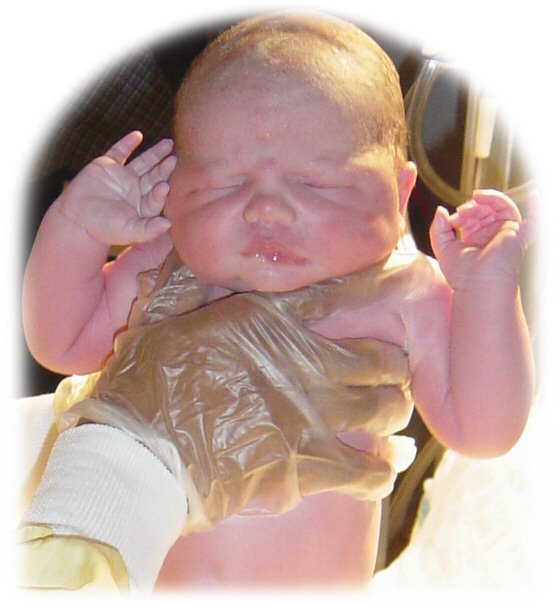
Newborn Vitamin K Shot Refusals Raise U.S. Bleeding Concerns
A growing number of U.S. parents are declining the vitamin K injection routinely offered to newborns, prompting renewed concern among pediatricians about a rare but potentially devastating form of bleeding that can occur during early infancy.
Why Newborns Receive Vitamin K
Babies are born with naturally low levels of vitamin K, a nutrient needed for normal blood clotting. Newborns also have limited vitamin K stores and do not immediately obtain enough from breast milk to eliminate the risk of deficiency bleeding.
The standard vitamin K injection given after birth is designed to prevent vitamin K deficiency bleeding, including bleeding that can occur in the brain or digestive tract without obvious warning.
Refusals Have Increased
A Reuters investigation published September 1 reported that the rate of newborn vitamin K shot refusals in the United States rose by more than 57% during the first half of 2026 compared with previous years. The trend has concerned physicians because the injection has been used for decades as a highly effective preventive measure.
The CDC continues to recommend vitamin K administration for newborns. Medical professionals say the decision is particularly important because serious bleeding can develop after a baby initially appears healthy.
Potential Consequences
Vitamin K deficiency bleeding can occur in the first months of life. Early bleeding may be visible, but internal bleeding can be harder for families to recognize. Severe cases can result in brain injury, long-term disability or death.
According to the CDC information cited by Reuters, infants who do not receive the vitamin K shot are substantially more likely to experience severe bleeding than infants who receive it.
Why Doctors Are Concerned
Pediatricians say misinformation and distrust of health institutions are contributing to some vaccine and preventive-treatment decisions. Vitamin K is not a vaccine; it is a nutrient-based preventive treatment intended to correct a biological vulnerability present at birth.
Hospitals may have different policies for documenting refusals. Some clinicians require parents to sign forms acknowledging the medical risks of declining the injection.
What Parents Should Ask
Parents who have questions should discuss vitamin K with their obstetrician, pediatrician or newborn-care team before delivery when possible. Clinicians can explain how deficiency bleeding develops, why newborns are vulnerable and what the injection is intended to prevent.
Parents should also distinguish evidence-based medical information from social-media claims. Questions about an individual newborn’s health should be answered by the baby’s healthcare team.
A Preventable Risk
The renewed attention to vitamin K refusals highlights a broader public-health challenge: preventing rare but severe conditions before they occur. For pediatricians, the goal is to ensure families understand the evidence and the consequences of declining a well-established newborn intervention.
Related Hudson Tribune coverage: Fall vaccine guidance.
Source: Reuters; CDC.