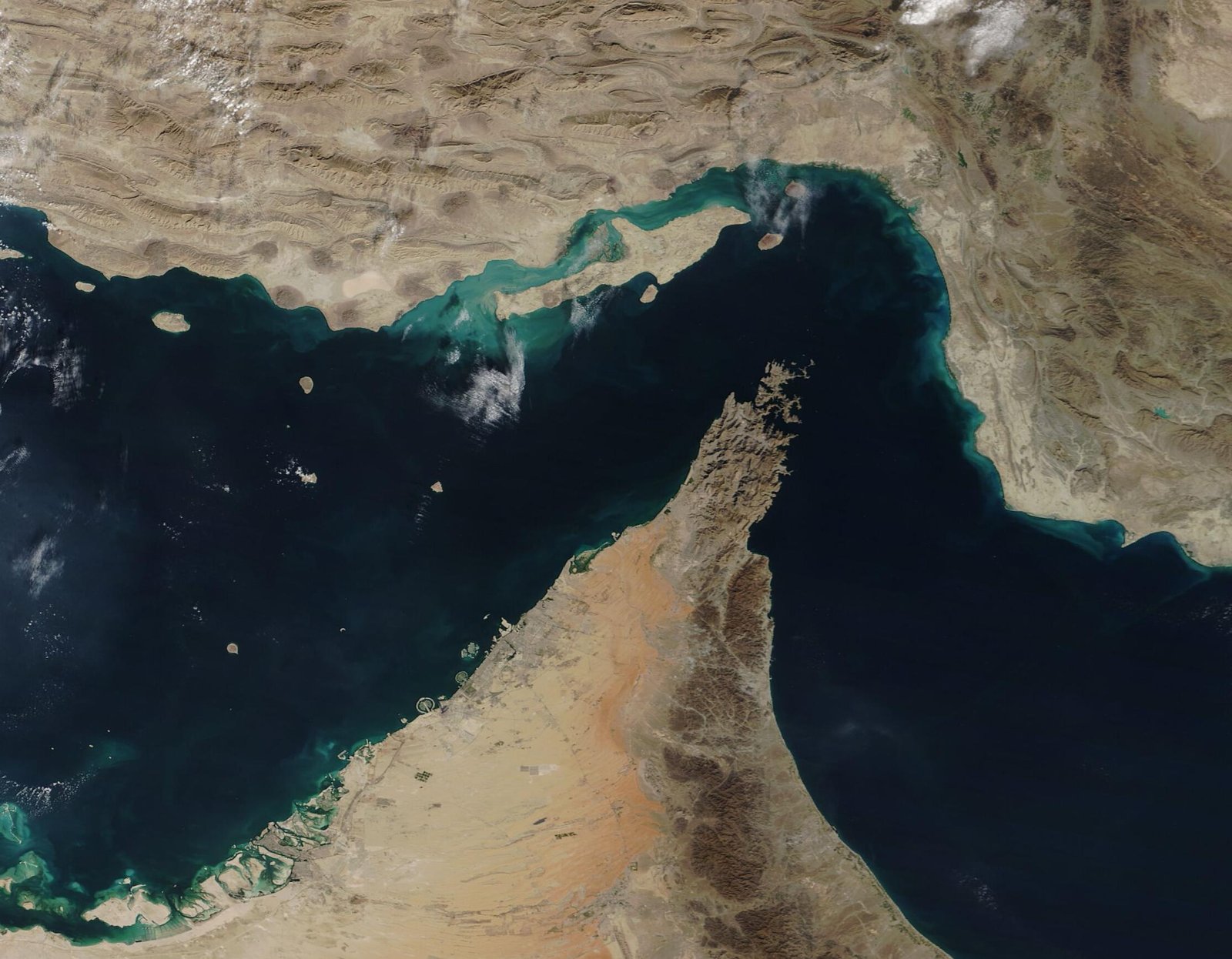
Strait of Hormuz Shipping Falls as Regional Tensions Threaten Global Energy Flows
Commercial shipping through the Strait of Hormuz has fallen well below recent averages as renewed U.S.-Iran fighting raises the risk of further disruption along one of the world’s most important energy routes. Preliminary vessel-tracking data cited by Reuters showed only a small number of commodity ships transiting the waterway on Tuesday, compared with a much higher 10-day average.
A critical route for global energy
The Strait of Hormuz connects the Persian Gulf with the Gulf of Oman and the wider Arabian Sea. Its narrow geography makes it a strategic chokepoint for oil and other commodities moving from major producers to customers around the world.
Under normal conditions, the waterway carries a significant share of global oil shipments. Even when the strait remains technically open, heightened security risks can discourage shipowners from entering, raise insurance costs and delay cargo movements.
Shipping activity drops
Reuters reported that only four commodity vessels were recorded passing through the strait on Tuesday, compared with ten the previous day and an average of roughly 13 over the preceding ten days. Such figures are preliminary because some vessels switch off their tracking transponders during sensitive voyages.
The decline does not necessarily mean the strait has been closed. Instead, it shows how security concerns can reduce traffic before authorities formally announce a blockade. Shipping companies often make operational decisions based on risk assessments, insurance requirements and the safety of crews.
Oil markets watch every movement
Any sustained reduction in shipping through Hormuz can quickly affect oil markets. Traders respond not only to actual supply losses but also to the possibility that crude exports could become more difficult. On Sept. 2, Brent crude moved toward the mid-$90s per barrel as investors assessed the renewed U.S.-Iran conflict.
Higher energy prices can have effects far beyond fuel stations. Airlines, trucking companies, manufacturers and utilities may face increased costs, while consumers can eventually see higher prices for transportation and goods. Central banks may also face a more difficult policy environment if energy-driven inflation persists.
Other shipping routes face pressure
The Strait of Hormuz is not the only maritime chokepoint affected by instability in the region. Shipping through the Bab el-Mandeb strait, which connects the Red Sea with the Gulf of Aden, has also remained below recent averages, according to the same Reuters analysis.
When vessels avoid high-risk routes, operators may choose longer journeys around Africa. Those diversions can add days to voyages, increase fuel consumption and tighten available shipping capacity. The effects can therefore spread through global freight markets even without a complete interruption of trade.
Diplomacy could determine the next phase
The future of maritime traffic will depend heavily on whether the United States and Iran move toward another pause in fighting or continue exchanging attacks. A prolonged confrontation would increase the chance of further disruptions to shipping, while a credible de-escalation could allow commercial operators to reassess the risk.
For U.S. readers, the issue is important because energy prices and global shipping costs can influence inflation, transportation and household budgets. Hudson Tribune will continue tracking the regional crisis in World news and related economic developments in the Newsroom.
Sources and further reading: Reuters. This report is independently written from Reuters shipping and market reporting. Vessel counts are preliminary and may change as tracking data is updated.