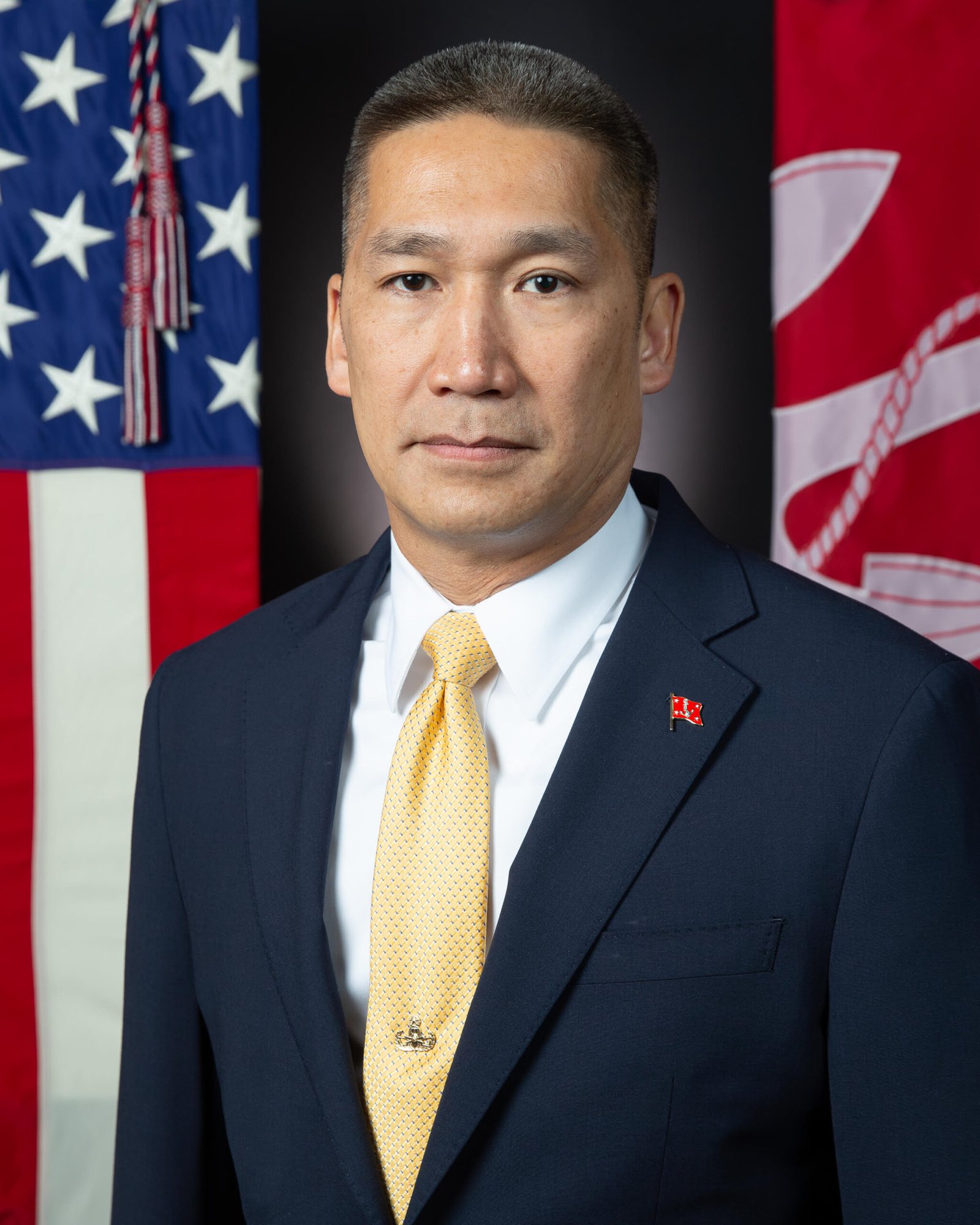
Trump Picks Hung Cao as Permanent Navy Secretary
President Donald Trump said he will nominate Hung Cao to become the permanent secretary of the Navy, elevating the former Navy veteran who has been serving in an acting leadership role.
Nomination Follows Leadership Turnover
The White House announcement comes after John Phelan left the Navy secretary position unexpectedly in April. Cao has since served as acting secretary, giving him direct experience overseeing the department during a period of intense national-security pressure.
Cao is a former Navy officer and a veteran who later entered electoral politics in Virginia. His nomination represents another example of the administration turning to figures with military experience and strong political alignment for senior national-security positions.
Why the Navy Secretary Matters
The secretary of the Navy is a civilian position responsible for overseeing the Department of the Navy, including the U.S. Navy and Marine Corps. The secretary works with the secretary of defense and military leadership on budgets, readiness, personnel and long-term force planning.
The position is particularly consequential during periods of military strain. The Navy is responsible for maintaining a global fleet, supporting maritime security and providing forces for operations in multiple regions. Decisions made by civilian leadership can affect procurement priorities, shipbuilding, personnel policy and readiness.
Cao’s Background
Cao served in the Navy and later became a political candidate in Virginia. His military background has been central to his public profile, while his political career has connected him to the Republican Party and the Trump movement.
The administration’s decision to nominate Cao permanently indicates confidence in his ability to manage the department. It also gives the Senate an opportunity to examine his qualifications, management record and views on naval strategy before deciding whether to confirm him.
Senate Confirmation Will Matter
Cabinet-level civilian appointments require Senate consideration. Senators can question nominees about their experience and priorities before a confirmation vote. The process can also reveal differences between the administration and lawmakers over defense spending, procurement and military policy.
For Cao, the confirmation process is likely to focus on how he would address the Navy’s shipbuilding needs, personnel challenges and broader readiness requirements. The department must balance immediate operational demands with programs that can take years to complete.
A Political and Military Test
Cao’s nomination also carries political significance because he is a former candidate for elected office. Supporters are likely to point to his military service and leadership experience, while critics may scrutinize his political history and qualifications for managing one of the largest military organizations in the federal government.
The appointment comes as the administration faces continuing military demands overseas and heightened attention to defense readiness. The Navy’s leadership will therefore be judged not only on political loyalty but also on operational performance, procurement discipline and the ability to maintain a capable fleet.
What Comes Next
The Senate confirmation process will determine whether Cao moves from acting secretary to permanent secretary. Until then, his nomination places a former military officer at the center of a major test of the administration’s approach to civilian defense leadership.
Sources: The Washington Post; U.S. Navy; The White House; U.S. Senate.