U.S. and Iran Trade New Strikes as Middle East Conflict Intensifies
The United States and Iran exchanged a new wave of attacks on Sept. 2, marking the most intense military escalation between the two countries since July and raising fresh concerns about regional security, shipping and energy markets. U.S. forces struck targets along Iran’s southern coast, while Iranian forces responded with missile and drone attacks against American military positions in several countries.
New strikes expand the regional conflict
U.S. officials said the latest operations targeted Iranian military capabilities, including air-defense, radar and maritime assets. The strikes came after a period of relative lull in direct U.S.-Iran fighting, although tensions remained high across the region.
Iran responded with attacks directed at U.S. facilities in Bahrain, Jordan, Kuwait and Iraq, according to international reporting. The exchanges demonstrate how quickly a confrontation between Washington and Tehran can spread across national borders because U.S. forces operate from bases and logistics networks throughout the Middle East.
Iran raises civilian casualty claims
Iranian authorities and state media have accused the United States of striking a wedding gathering near the southern port city of Sirik. Iranian officials said civilians, including a child, were killed and dozens were wounded. The allegation has not been independently established in full, and the United States has described its operations as attacks on military targets.
The competing accounts underline the difficulty of establishing facts during active combat. Civilian casualty reports can change as rescue teams reach affected locations and governments release additional evidence. Hudson Tribune will distinguish confirmed information from claims made by the parties to the conflict as reporting develops.
The Strait of Hormuz remains a major concern
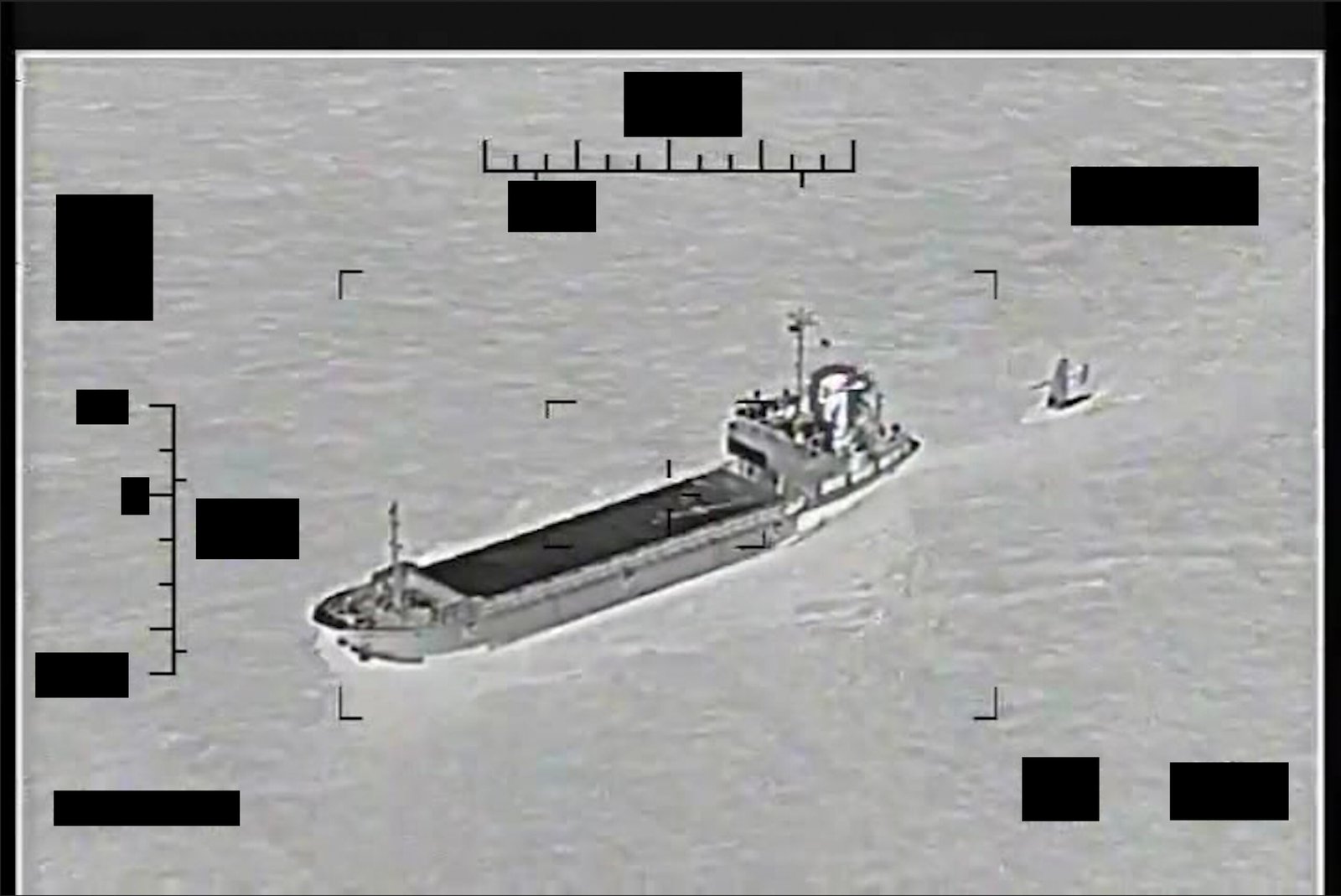
The renewed fighting is especially significant because it is occurring near one of the world’s most important maritime chokepoints. Commercial traffic through the Strait of Hormuz has fallen sharply, according to shipping data cited by Reuters. The waterway normally carries a large share of global oil shipments, making any prolonged disruption a direct concern for energy prices and international supply chains.
Lower shipping activity can affect more than crude oil. Refined products, petrochemicals, insurance costs and freight rates can all respond to increased security risks. For countries that rely heavily on imported energy, a prolonged disruption could add to inflationary pressure.
Regional governments face difficult choices
Countries hosting U.S. military facilities must balance their security relationships with Washington against the risk of becoming targets in a wider conflict. Jordan, Bahrain, Kuwait and Iraq have all faced difficult security calculations as the fighting has expanded.
Israel is also monitoring the situation closely because any Iranian attack on regional partners could alter the military balance and create additional pressure for retaliation. Other governments, including Pakistan and several Gulf states, have called for de-escalation and diplomatic engagement.
Markets react to renewed uncertainty
Financial markets responded negatively to the escalation, while oil prices moved higher. Investors are watching whether the fighting will remain limited to military targets or evolve into a sustained campaign affecting shipping infrastructure and energy production.
The immediate question is whether Washington and Tehran can establish a channel to prevent another cycle of retaliation. Hudson Tribune will continue tracking the crisis in World news, with related developments available through the Newsroom.
Sources and further reading: Reuters. This article is independently written using Reuters and other international reporting. Claims by the parties to the conflict are identified as claims where they have not been independently verified.