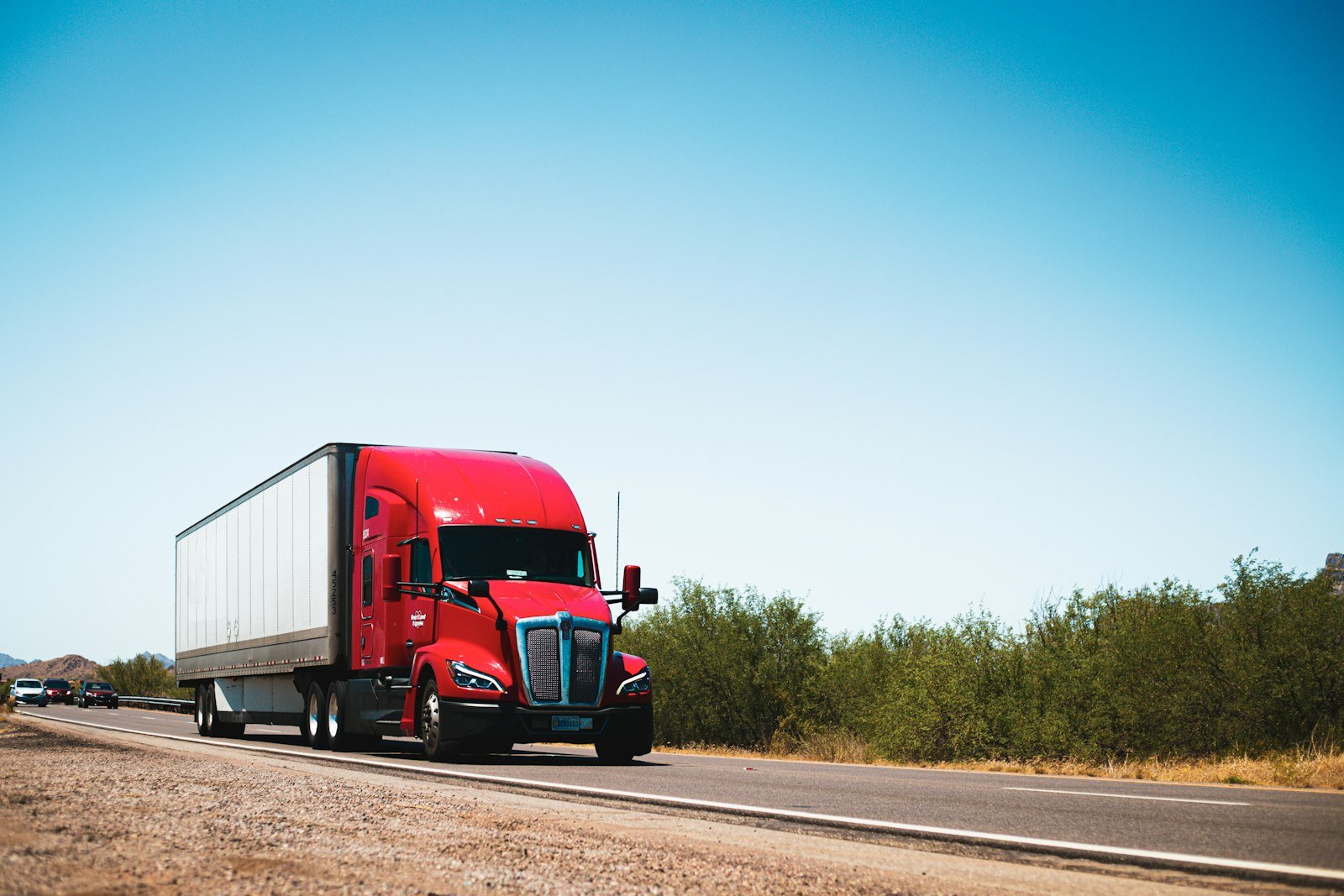
U.S. Trucking Crackdown Expands as Officials Target Commercial Licenses
The Trump administration is intensifying scrutiny of immigrant truck drivers and commercial driver’s licenses as federal agencies pursue what officials describe as improper certifications and violations of licensing rules. The campaign is also creating concern within the trucking industry about driver shortages, capacity and transportation costs.
Federal Agencies Increase Enforcement
The Department of Homeland Security and the Department of Transportation are seeking licensing information across the country as part of a broader enforcement effort, according to The Wall Street Journal. Transportation Secretary Sean Duffy has also announced actions against commercial-driving schools that federal officials say failed to meet training or testing standards.
The administration says the crackdown is focused on highway safety and the integrity of the commercial licensing system. Federal regulators have tightened rules governing non-domiciled commercial driver’s licenses and are seeking stronger verification of eligibility and qualifications.
New Rules Affect Non-Domiciled Drivers
The Federal Motor Carrier Safety Administration has limited eligibility for non-domiciled commercial learner’s permits and commercial driver’s licenses. Under the final rule, foreign-domiciled applicants must meet specific employment-based nonimmigrant status requirements and undergo additional verification.
The Transportation Department says the changes are intended to prevent unqualified drivers from operating large commercial vehicles. The agency has also emphasized English-language testing and identification verification as part of its broader enforcement approach.
Hundreds of Training Schools Targeted
Federal officials say nearly 300 commercial-driving schools have been shut down or targeted for failing to meet federal standards. The administration argues that poorly run training programs can allow applicants to obtain commercial licenses without receiving adequate preparation for operating large trucks.
Transportation officials have highlighted cases involving training facilities that lacked adequate space or equipment and programs where applicants struggled with required English-language proficiency. The administration says enforcement is intended to improve both training quality and public safety.
Industry Warns of Driver Shortages
The trucking industry is watching the enforcement campaign closely because freight transportation depends on a large workforce of licensed drivers. The Wall Street Journal reported that immigration enforcement and licensing restrictions have tightened trucking capacity in some markets after a prolonged period of weak freight demand.
Reduced driver availability can affect shipping rates and delivery schedules. Companies may face higher recruitment costs or have difficulty filling routes, while consumers could eventually see some transportation expenses reflected in the prices of goods.
States and Federal Officials Clash
The administration’s approach has also created tension with some states. State governments generally administer driver licensing, while federal agencies establish national commercial motor vehicle standards. Disagreements over access to licensing data and the use of that information for immigration enforcement have prompted legal challenges.
The issue illustrates the overlap between transportation regulation and immigration enforcement. A driver can have a commercial license issued by a state while still facing federal questions about immigration status or eligibility under federal rules.
Safety and Enforcement Questions
Supporters of the crackdown say stronger oversight is necessary because commercial trucks can cause severe harm when operated by inadequately trained drivers. Critics argue that enforcement should distinguish between legitimate safety violations and immigration status while avoiding disruptions to essential freight networks.
Federal regulators will likely continue reviewing driver records, training providers and licensing practices. Industry groups, states and driver advocates are expected to remain involved as the new rules are implemented and challenged.
What Comes Next
The trucking sector now faces a period of adjustment as federal agencies increase inspections and licensing reviews. The central policy question is whether the enforcement campaign can improve safety and licensing integrity without creating an excessive shortage of qualified drivers.
For businesses and consumers, the effects will be measured through freight capacity, shipping prices, delivery times and the availability of commercial drivers. For drivers, the most important developments will involve federal eligibility rules and how states implement them.
Sources and Further Reading
Hudson Tribune independently wrote this report using current reporting and official transportation information. See The Wall Street Journal’s report on the trucking crackdown and the U.S. Department of Transportation rule on non-domiciled CDLs. More Hudson Tribune coverage is available in the U.S. News category and Newsroom.